Coal remains one of the world’s most widely used energy sources, powering industries, electricity generation, and heating systems across the globe. Ensuring the efficient, safe, and cost-effective transportation of coal from mines to power plants or industrial facilities is critical for both operational success and economic viability. Among the many technologies employed in coal handling, steel cord conveyor belts have emerged as a cornerstone of modern coal transportation systems.
1. Understanding Steel Cord Conveyor Belts
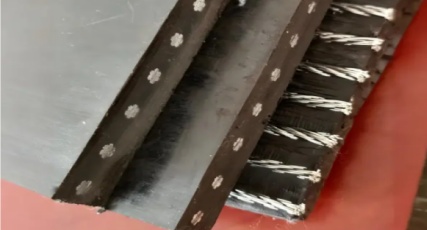
A steel cord conveyor belt is a type of heavy-duty belt reinforced with high-tensile steel cords embedded within layers of rubber. Unlike fabric belts, which rely on textile reinforcements, steel cord belts offer superior strength, durability, and resistance to elongation.
Key structural components include:
Steel cords: Provide longitudinal strength, enabling the belt to carry heavy loads over long distances without stretching.
Rubber covers: Protect the steel cords from wear, abrasion, moisture, and environmental factors.
Edge reinforcement: Helps prevent fraying or damage at the sides during operation.
These belts are designed to withstand extreme loads, continuous operation, and harsh environmental conditions, making them ideal for demanding applications like coal transportation.
2. Challenges in Coal Transportation Systems
Transporting coal efficiently and safely presents a variety of challenges that demand highly robust and specialized conveyor solutions. Coal is not only heavy and dense, but it is also abrasive, irregular in shape, and often mixed with debris such as rocks, metallic fragments, or other impurities. Handling such material requires a conveyor system that can endure constant high loads and harsh conditions while maintaining operational reliability.
Heavy Load Requirements: Coal has a high density, which means conveyors must support extremely heavy loads over extended periods. Systems that rely on conventional fabric belts often face frequent stretching, slippage, and premature wear. Continuous heavy loads can accelerate the degradation of weaker belts, leading to increased downtime and higher maintenance costs. Steel cord conveyor belts, with their embedded high-tensile steel reinforcement, are specifically designed to manage these heavy loads without significant elongation, ensuring reliable, long-term operation.
Long-Distance Transport: Coal mines are often situated far from processing plants, storage facilities, or power generation stations. Conveyor belts must therefore be capable of spanning several kilometers without excessive stretching or risk of failure. Fabric or textile-reinforced belts can lose tension over long distances, reducing operational efficiency. Steel cord belts, on the other hand, are engineered for long-distance conveying, providing high longitudinal strength that allows for extended runs with fewer intermediate support points, reducing both complexity and maintenance requirements.
High Abrasion and Impact: Coal handling involves frequent movement over chutes, transfer points, and sometimes rough surfaces, making abrasion a major concern. Sharp debris, rocks, or metallic fragments mixed with coal can easily wear down conventional belts, causing fraying, punctures, or tears. Steel cord conveyor belts are equipped with thick rubber covers and embedded steel cords, providing exceptional resistance to wear, impact, and cutting. Many belts also feature reinforced edges and cut-resistant surfaces to protect against sharp materials, which reduces downtime and extends belt lifespan significantly.
Variable Environmental Conditions: Coal conveyors often operate outdoors, exposing them to rain, dust, heat, and extreme cold. Environmental factors can degrade weaker materials, causing premature aging, cracking, or loss of structural integrity. Rubber-coated steel cord belts are designed to withstand harsh environments, offering resistance to moisture, UV exposure, and temperature fluctuations. This durability ensures that conveyors maintain consistent performance regardless of weather conditions.
Safety Considerations: Belt failures in coal handling systems can lead to spillage, equipment damage, and even fire hazards from friction or sparks generated during operation. Additionally, unplanned downtime can compromise workplace safety and disrupt coal supply to power stations or industrial facilities. Steel cord conveyor belts’ high tensile strength, low elongation, and robust construction minimize the risk of unexpected failures, ensuring safer operation for both equipment and personnel.
Given these challenges, steel cord conveyor belts are uniquely positioned to address the demands of coal transportation. Their combination of high strength, abrasion resistance, environmental durability, and operational reliability makes them an indispensable component of modern coal handling systems.
3. Advantages of Steel Cord Conveyor Belts in Coal Systems
Superior Strength and Load-Bearing Capacity
Steel cord conveyor belts are reinforced with high-tensile steel cords running longitudinally through the belt. This reinforcement allows the belt to carry extremely heavy loads without stretching significantly, even during continuous operation. In coal transportation, where daily throughput can reach thousands of tons, this capability ensures that the belt maintains dimensional stability, avoiding sagging, slippage, or uneven movement.
Unlike fabric belts, which may elongate under heavy loads and require frequent retensioning, steel cord belts maintain a consistent speed and alignment over long distances. This translates into higher operational efficiency, reduced energy consumption, and increased throughput.
Long-Distance Conveying Capability
Many coal mines are located several kilometers away from storage facilities or power plants. Steel cord conveyor belts are engineered for long-distance applications, allowing uninterrupted material transport over extended runs.
The steel cords embedded within the belt provide high longitudinal strength, enabling the belt to resist stretching and maintain tension across long spans. This reduces the number of intermediate transfer points, lowers installation and maintenance costs, and ensures smoother operation. Additionally, long conveyor runs with steel cord belts require fewer motors and tensioning stations, optimizing energy consumption and system design.
Resistance to Abrasion and Impact
Coal often contains abrasive particles and debris that can damage conventional belts quickly. Steel cord conveyor belts feature thick rubber covers and durable steel reinforcement, offering excellent resistance to wear, impact, and cutting.
Many belts also come with reinforced edges and abrasion-resistant top covers to protect against sharp materials, extending the operational lifespan and reducing the need for frequent replacements. This resistance is particularly valuable in coal handling, where abrasive material and high-speed operation are constant factors.
Reduced Maintenance and Downtime
Steel cord conveyor belts are low-maintenance due to their durable construction and resistance to elongation. Routine inspections primarily focus on checking for wear on the rubber covers, tension adjustment, and pulley alignment. Unlike fabric belts, steel cord belts rarely require replacement under normal operating conditions, significantly reducing downtime and maintenance costs.
The durability of steel cord belts also contributes to uninterrupted coal supply, which is critical for power plants and industrial users. Reduced maintenance means fewer operational interruptions, lower labor costs, and improved overall efficiency of the coal handling system.
Energy Efficiency
Maintaining consistent tension and minimal slippage over long distances makes steel cord conveyor belts energy-efficient. Motors operate under less strain compared to systems using conventional belts, which may stretch, slip, or require additional tensioning.
Over long-term operation, the energy savings are substantial. Reduced energy consumption not only lowers operational costs but also contributes to environmental sustainability—a growing concern in large-scale coal transportation and industrial operations.
Safety and Operational Reliability
Safety is paramount in coal handling. Belt failures can cause coal spillage, generate sparks, or create hazardous conditions for workers. Steel cord belts’ high tensile strength, low elongation, and tear resistance enhance operational reliability and reduce the likelihood of accidents.
By maintaining proper tension and resisting unexpected stretching or breakage, these belts ensure safer operation, protecting both personnel and equipment. Consistent performance under heavy loads also ensures predictable material flow, which is critical for plant operations and production planning.
4. Typical Applications in Coal Transportation
Steel cord conveyor belts are used in multiple stages of coal handling:
Mine to Processing Facility: Transporting raw coal from extraction points to washing or crushing stations.
Coal Preparation Plants: Moving coal through crushing, screening, and sorting processes.
Stockyard Management: Transferring coal to storage piles or silos while minimizing spillage and degradation.
Power Plant Feed Systems: Delivering coal to furnaces or boilers with continuous, reliable operation.
Port and Loading Facilities: Loading coal onto trains, ships, or trucks efficiently and safely.
In each of these applications, the durability, strength, and long-distance capability of steel cord belts make them the preferred choice.
5. Maintenance Tips for Optimal Performance
Proper maintenance can maximize the lifespan and performance of steel cord conveyor belts:
Regular Inspection: Check for cover wear, cord exposure, or damage at splice points.
Proper Tensioning: Maintain correct belt tension to prevent slippage or excessive strain on cords.
Pulley and Roller Maintenance: Ensure alignment and smooth rotation to avoid localized wear.
Cleaning and Debris Removal: Remove coal fines, rocks, and other debris that could cause abrasion.
Storage Considerations: Store belts away from direct sunlight and moisture when not in use to preserve rubber integrity.
Implementing a proactive maintenance schedule minimizes downtime and ensures consistent coal transport efficiency.
6. Conclusion: The Essential Role of Steel Cord Conveyor Belts
In today’s coal transportation systems, steel cord conveyor belts are indispensable. Their combination of strength, durability, abrasion resistance, and long-distance capability makes them ideal for the demanding conditions of coal mines, processing plants, stockyards, and power generation facilities.
By improving operational reliability, reducing maintenance costs, and enhancing energy efficiency, steel cord belts help ensure coal is delivered safely, efficiently, and continuously—critical factors for both industrial operations and economic sustainability.
For high-quality steel cord conveyor belts designed for coal transportation and heavy-duty applications, consider partnering with Shandong Longli Belts Co., Ltd.. The company provides durable, reliable, and customized steel cord belts suitable for mining, power plants, and industrial bulk handling systems. Visit their website to explore product specifications, request expert advice, or learn more about solutions tailored to your coal transportation needs.


