In modern industrial operations, efficiency, reliability, and safety are paramount. Cement and steel plants, which handle massive volumes of raw materials and finished products, face unique challenges in transporting bulk loads over long distances and rough conditions. One technology that has revolutionized material handling in these industries is the steel cord conveyor belt. These belts combine strength, durability, and adaptability, significantly enhancing operational efficiency and reducing downtime.
1. Understanding Steel Cord Conveyor Belts
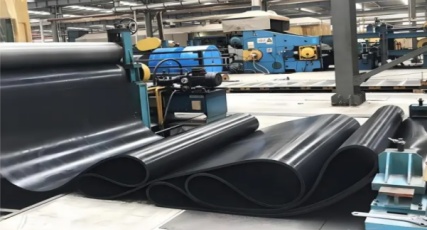
Steel cord conveyor belts consist of a rubber covering reinforced with high-tensile steel cords. Unlike fabric or textile belts, the steel cords provide exceptional longitudinal strength, resistance to stretching, and the ability to carry heavy loads over long distances. The basic structure includes:
Steel cords: These provide the core tensile strength of the belt, allowing it to support high loads without elongating.
Rubber covers: Both the top and bottom surfaces are coated with high-quality rubber, protecting the steel cords and providing resistance to abrasion, heat, and chemicals.
Skim layers: Thin rubber layers bond the steel cords to the covers, ensuring flexibility without compromising strength.
This combination makes steel cord conveyor belts ideal for continuous operation in heavy-duty applications such as cement and steel manufacturing.
2. Applications in Cement Plants
Cement production is a complex and resource-intensive process that requires the handling of large quantities of raw materials, intermediate products, and finished goods. Raw materials such as limestone, clay, and gypsum must be transported from quarries or storage areas to crushers, kilns, and grinding mills, while finished products like clinker and cement powder need reliable transport to silos and packaging facilities. In such a demanding environment, steel cord conveyor belts have become indispensable, offering the durability, strength, and precision needed to maintain smooth operations.
Raw Material Handling
Transporting raw materials efficiently is critical to maintaining the overall productivity of a cement plant. Traditional fabric belts, while sufficient for light to medium loads, often experience elongation and wear when subjected to the heavy, abrasive materials typical in cement production. Steel cord conveyor belts, reinforced with high-tensile steel cords, provide the necessary longitudinal strength to handle high-capacity loads with minimal elongation.
For example, when limestone is transported from quarries to crushers, the belt must endure not only the weight of the material but also the constant impact and friction from the abrasive particles. Steel cord belts can carry thousands of tons per day without significant stretching or degradation, maintaining a stable and continuous flow.
Moreover, steel cord belts are particularly advantageous on inclines and declines, which are common in cement plants due to the layout of quarries and kilns. Their high tensile strength allows them to operate smoothly on slopes, reducing the need for additional transfer points or multiple conveyor systems. Fewer transfer points mean less spillage, lower maintenance costs, and reduced downtime—a major factor in maximizing operational efficiency.
Clinker Transportation
Once raw materials are processed in kilns, they form clinker, a hot, abrasive substance that is difficult to handle. Transporting clinker safely from the kiln to storage silos or grinding mills requires a belt that can withstand high temperatures and resist wear. Steel cord conveyor belts with heat- and abrasion-resistant rubber covers are ideal for this task.
The steel cords provide structural integrity, ensuring that the belt does not elongate under the weight of hot clinker. The rubber covers act as a protective layer, preventing cuts, abrasion, and heat-related damage. Plants that switch to steel cord belts for clinker transportation often report reduced replacement frequency, fewer operational interruptions, and significant cost savings over time.
Bulk Cement Transport
After clinker is ground into cement, it must be transported to storage silos, packaging units, or dispatch areas. Here, material consistency and controlled flow are essential to avoid segregation, loss of fine particles, or uneven distribution. Steel cord conveyor belts offer a stable transport platform, minimizing vibrations and maintaining even material flow across long distances.
The belts’ robust construction ensures that bulk cement can be transported without sagging or elongation, which is particularly important in automated systems where timing and precision affect the efficiency of the entire plant. This predictable performance helps maintain high-quality output while supporting overall operational efficiency.
3. Applications in Steel Plants
Steel plants present even greater challenges than cement facilities, as the materials involved—iron ore, coal, coke, molten metal, and finished steel products—are heavier, denser, and more abrasive. In these environments, conveyor belts must not only support extreme weight but also withstand high temperatures and continuous operation. Steel cord conveyor belts are uniquely suited for these requirements.
Iron Ore and Coal Transport
Bulk materials like iron ore and coal are the lifeblood of steel production. Efficient transport from storage yards to blast furnaces or processing units is critical for maintaining consistent output. Steel cord conveyor belts provide exceptional tensile strength, allowing them to carry hundreds of tons per hour over long distances.
The benefits are particularly noticeable on inclined sections, where fabric belts may stretch under load, causing misalignment and material spillage. Steel cord belts maintain their shape and strength, ensuring smooth operation and minimal downtime. This high-capacity performance supports large-scale steel production and reduces the risk of bottlenecks in supply chains.
Hot Metal and Slag Conveyance
During steelmaking, molten slag and hot metal are produced as by-products and need to be transported safely. Steel cord belts with heat-resistant covers are able to handle elevated temperatures without losing integrity. This capability ensures continuous operation without the need for frequent belt replacement, enhancing both safety and efficiency.
Transporting these materials with ordinary fabric belts can lead to warping, melting, or fire hazards, making steel cord conveyor belts the safer and more reliable choice for critical operations.
Finished Product Handling
After steel has been processed, it must be moved to storage or shipping areas. Finished steel products, including sheets, rods, and billets, are extremely heavy and require belts that resist stretching and maintain smooth, continuous movement. Steel cord belts prevent sagging and misalignment, reducing mechanical stress on pulleys and rollers while ensuring precise delivery to storage or packaging systems.
By maintaining a consistent flow, these belts minimize downtime and protect expensive finished products from damage, which is critical for cost management and customer satisfaction.
4. Advantages of Steel Cord Conveyor Belts
The widespread adoption of steel cord conveyor belts in cement and steel plants is due to a combination of operational and economic advantages:
High Load Capacity
Steel cord belts can carry heavier loads than fabric belts of comparable width. Their high tensile strength allows plants to move maximum volumes efficiently, reducing the number of trips required and increasing throughput.
Long Service Life
The combination of steel cords and durable rubber covers ensures resistance to wear, abrasion, and elongation. When maintained properly, these belts can operate for several years, significantly reducing replacement costs and minimizing unplanned downtime.
Reduced Downtime
Steel cord belts maintain their shape and tension even under extreme loads, reducing the need for frequent adjustments or emergency repairs. This stability supports continuous production and maximizes overall plant uptime.
Operational Flexibility
Whether conveying materials over long distances, steep inclines, or in high-speed environments, steel cord belts perform reliably. They are also effective in harsh environments, including areas with high temperatures, moisture, or abrasive materials, making them highly versatile.
Safety and Reliability
Durable construction minimizes risks of belt snapping, misalignment, or material spillage, enhancing workplace safety. Reliable belts maintain steady material flow, which is essential for high-volume cement and steel plants where even minor interruptions can have significant operational and financial impacts.
5. Maintenance and Best Practices
Proper maintenance ensures that steel cord conveyor belts perform reliably for years. Key practices include:
Regular inspection: Check for wear, cuts, or delamination in the rubber covers and steel cords.
Cleaning: Remove dust, debris, and material buildup to prevent belt damage or misalignment.
Tension control: Maintain correct tension to prevent slippage or premature stretching.
Roller and pulley checks: Ensure rollers and pulleys are properly aligned and lubricated to reduce belt wear.
Temperature monitoring: For hot material transport, inspect belts for heat damage regularly.
Following these practices prolongs belt life, reduces maintenance costs, and ensures smooth plant operation.
Conclusion
Steel cord conveyor belts have become a cornerstone in the efficiency of cement and steel plants. Their unparalleled tensile strength, durability, and adaptability make them indispensable for moving heavy, abrasive materials over long distances and challenging terrains. By ensuring consistent material flow, reducing downtime, and enhancing safety, these belts significantly contribute to operational efficiency and cost savings.
For companies looking to optimize material handling and maximize efficiency, Shandong Longli Belts Co., Ltd. offers a range of high-quality steel cord conveyor belts suitable for cement and steel plants. Their products are engineered for durability, performance, and reliability. To learn more about steel cord conveyor belts or explore solutions for your plant, you can visit Shandong Longli Belts Co., Ltd. and discuss your specific requirements with their experts.


