Introduction
How much strength should a steel cord conveyor belt have to avoid failure under pressure? Steel cord conveyor belts are critical in industries where materials are transported over long distances, from mining to manufacturing.
The safety factor is a key measure that ensures belts are strong enough to handle maximum operational loads. In this article, we’ll explore what the safety factor means, how it’s calculated, and its importance in selecting the right steel cord conveyor belt.
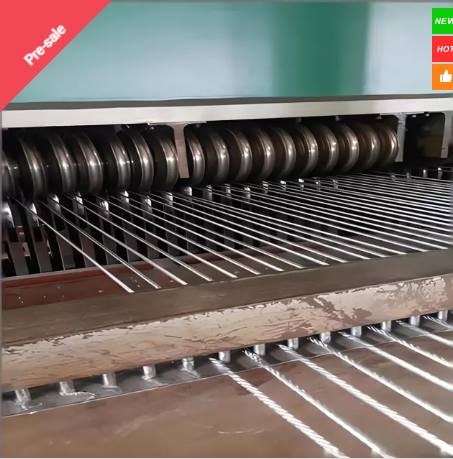
Defining the Safety Factor in Steel Cord Conveyor Belts
Understanding the Safety Factor and Its Role
The safety factor of a steel cord conveyor belt refers to the ratio of its tensile strength (the maximum force it can withstand before breaking) to the maximum tension the belt will experience during its lifetime. This relationship ensures that the belt is sufficiently durable to handle the stresses it will encounter during normal operation.
For instance, a safety factor of 6.7:1 indicates that the belt's breaking strength is 6.7 times stronger than the maximum load it is designed to carry. This built-in strength protects the belt from failure, even in cases of unexpected fluctuations in load or other operating stresses.
By maintaining an appropriate safety factor, companies can prevent costly downtimes and repairs. Essentially, it provides a safety cushion that ensures smooth, uninterrupted performance throughout the belt’s operational life.
How is the Safety Factor Calculated?
The calculation for the safety factor is straightforward and involves two primary values: the tensile strength of the steel cord and the maximum tension the belt is designed to withstand.
For example, a belt with a tensile strength of 7500 N/mm and a maximum operating tension of 1500 N/mm will have a safety factor of 5:1. The safety factor may vary depending on the application, ranging from 6.7:1 to 9:1. The higher the safety factor, the more robust the belt will be under heavy or fluctuating loads.
| Belt Type |
Safety Factor Range |
Typical Application |
| Fabric Core Belt |
8:1 - 10:1 |
Used in light to moderate loads, general applications. |
| Steel Cord Belt (Standard) |
6.7:1 - 8:1 |
Suitable for heavy-duty operations, mining, and logistics. |
| High-Strength Steel Cord Belt |
4.5:1 - 6.5:1 |
Used in long-distance conveyors and extreme load conditions. |
The Importance of Safety Factor in Conveyor Belt Performance
The safety factor has a significant impact on two main factors: safety and reliability. A higher safety factor indicates a more resilient belt, making it less likely to fail during heavy operations. This is crucial in industries like mining, where a belt failure can result in significant downtime, loss of productivity, and costly repairs.
A lower safety factor, on the other hand, can lower initial costs but increases the risk of failure. This trade-off needs to be evaluated carefully based on the operating environment, load conditions, and how critical uninterrupted operation is to the business.
When selecting a steel cord conveyor belt, consider the nature of your application. If your belt is subjected to high dynamic loads or severe environmental conditions, opting for a higher safety factor can help prevent unforeseen failures.
Key Factors That Influence the Safety Factor of Steel Cord Belts
Material Strength and its Effect on the Safety Factor
The material strength of the steel cords used in the belt is one of the most significant factors influencing the safety factor. A steel cord conveyor belt made of higher-quality steel or with larger diameter cords can handle greater tension, meaning it may need a lower safety factor to achieve the same level of reliability.
Steel Cord Diameter: A thicker steel cord can carry more load, which helps reduce the need for a higher safety factor.
Material Quality: High-quality steel cords provide better load distribution, increasing the strength and reducing the risk of failure. Consequently, belts made with premium materials are more reliable under normal operational loads.
By using higher-grade materials, such as steel cords with increased tensile strength, a steel cord conveyor belt can be optimized to offer the same performance with a lower safety factor, thus reducing costs without compromising on safety.
Ensure that the materials used in the steel cord conveyor belt meet the specific needs of your operation, so you don't over-engineer costs while still maintaining belt durability.
| Factor |
Effect on Safety Factor |
| Steel Cord Diameter |
Larger diameter improves strength, allowing for a lower safety factor. |
| Material Quality |
Higher-quality materials result in better load distribution and reduced risk of failure. |
| Splicing Strength |
Stronger splicing reduces the need for a high safety factor. |
| Belt Width and Length |
Longer belts or wider belts need higher safety factors to handle increased tension. |
The Impact of Splicing Fatigue Strength
The splice (the joint where two ends of the belt are connected) is often the most vulnerable point in a conveyor system. The splicing fatigue strength is a measure of how well the splice can handle dynamic stresses over time. This is especially important because the splice must endure repeated bending and tension as the belt moves.
Stronger splices contribute to a more robust belt design, allowing for a lower safety factor without sacrificing reliability. Splice strength can be measured through fatigue tests using specialized machines that simulate real-world wear conditions.
How Belt Construction Affects the Safety Factor
The construction of the steel cord conveyor belt, including the number of cords and their arrangement, plays a significant role in the safety factor. Key factors include:
Number of Steel Cords: More cords distribute the load more evenly, which strengthens the belt and reduces the need for a higher safety factor.
Belt Width and Length: Long conveyor belts or those with wide spans experience more tension at their edges. For such systems, a higher safety factor is recommended to ensure stability.
In addition to the number of cords, the alignment of the cords and the thickness of the rubber layer also affect how the belt handles stress. A well-constructed belt with evenly distributed cords and proper tension management will have a higher safety margin without the need for excessive overengineering.
If your conveyor system requires long belts or carries heavy materials, a higher safety factor may be necessary to account for tension across greater distances.
Evolution of Steel Cord Belt Safety Factor Standards Over Time
The Historical Development of Safety Factor Guidelines
Safety factor guidelines were first established by the DIN 22101 standard in 1982, which set a minimum safety factor of 6.7:1 for steel cord belts. These guidelines were formulated based on decades of experience and designed to ensure reliable belt performance in various operating conditions.
As materials and technology evolved, so did these standards. Over time, manufacturers have updated their recommendations to accommodate advancements in belt construction, splice technology, and better understanding of material behavior.
Modern Revisions and Adoption of Lower Safety Factors
In recent years, the industry has shifted toward using lower safety factors (as low as 4.5:1), particularly in scenarios where modern splicing techniques and continuous belt monitoring systems can ensure reliability. New materials and testing methods have made it feasible to safely reduce the safety factor while maintaining the same level of performance.
For instance, in Australia, some long-distance conveyors use a lower safety factor, with remarkable success, as advanced monitoring systems continuously check belt condition and detect early signs of wear. This approach has allowed companies to reduce costs without sacrificing safety or operational efficiency.
If your operation uses advanced monitoring systems or operates in controlled conditions, consider reducing the safety factor to cut costs while still ensuring reliable performance.
Advantages and Challenges of Reducing the Safety Factor
Economic Benefits of Lowering the Safety Factor
Lowering the safety factor can result in substantial cost savings. For example, a project in Australia reduced its safety factor from 6.7 to 5.0, leading to a 14% reduction in belt weight and a 10% savings in operating costs over 20 years. This reduction in weight not only cuts material costs but also reduces energy consumption, leading to lower overall costs.
However, lowering the safety factor too much can lead to failures, especially in unpredictable environments or extreme operating conditions. This trade-off should be carefully considered.
Risks Associated with Lower Safety Factors
The primary risk of using a lower safety factor is the potential for premature failure. A lower safety factor means the belt is closer to its breaking point under normal conditions, which can result in unexpected failures and expensive repairs. In high-stress environments or where unpredictable loads are common, a lower safety factor increases the likelihood of unplanned downtime.
When is it Safe to Use a Lower Safety Factor?
A lower safety factor may be appropriate when:
The belt operates under controlled conditions (e.g., straight conveyors with consistent loads).
You have continuous monitoring systems in place to detect belt degradation before it becomes a significant issue.
If your operation involves dynamic or high-impact loading, opt for a higher safety factor to reduce the risks associated with belt failure.
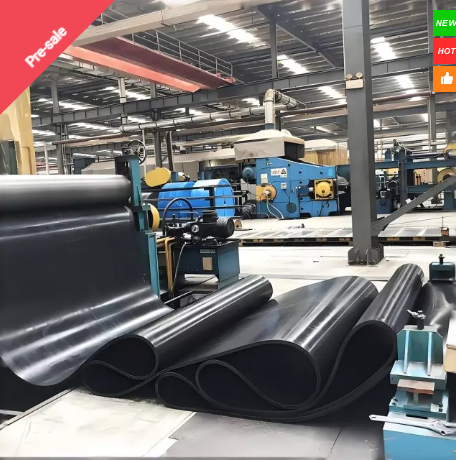
How to Choose the Appropriate Safety Factor for Your Steel Cord Belt
Factors to Consider for High-Strength Applications
In high-strength applications, such as steep inclines or heavy-duty transport, the safety factor plays a crucial role in ensuring the belt can endure increased stress. These conditions subject the belt to higher dynamic forces, which can lead to faster wear and potential failure if not properly accounted for. To mitigate this, a higher safety factor is necessary, as it ensures that the steel cord belt remains strong enough to handle these extreme stresses without risk of breakage. Choosing the right safety factor not only prevents premature failure but also extends the operational life of the belt, making it a key decision when working in high-demand environments.
The Role of Conveyor Length and Load Conditions
The length and load conditions of a conveyor system significantly affect the safety factor needed. Long conveyor belts, especially those that carry heavy or fluctuating loads, experience additional tension, particularly at their edges, which increases the risk of stretching and eventual failure. To address this, the safety factor must be adjusted to account for the increased strain on the belt over its length. As the conveyor lengthens, it becomes more important to ensure that the safety factor is high enough to handle the added tension, preventing the belt from breaking under pressure. Similarly, fluctuating loads further complicate matters, as they introduce unpredictable forces that must be factored into the safety factor calculation.
Using Technology to Safely Reduce Safety Factors
Advancements in technology have made it possible to safely reduce the safety factor without compromising belt performance. Tools like real-time monitoring systems and high-efficiency splicing technology allow operators to monitor the belt’s condition continuously. This proactive approach enables early detection of wear, strain, or potential failure points, allowing for timely interventions. By using these technologies, companies can safely reduce the safety factor, knowing that any issues will be detected and addressed before they cause problems. For systems that involve long-distance conveyors or highly dynamic loads, ensuring that the right monitoring infrastructure is in place is essential to maintaining safety while optimizing costs.
Conclusion
In conclusion, the safety factor of a steel cord conveyor belt is essential for ensuring both operational safety and cost-efficiency. While higher safety factors provide additional security, advancements in technology now make it possible to use lower safety factors without sacrificing reliability. By evaluating your specific needs and available technologies, you can choose the optimal safety factor for your application.
Finding the right balance between safety and cost is critical when selecting a steel cord conveyor belt. Long-term reliability should be prioritized to reduce operational risks, avoiding unexpected failures and unplanned costs.
For companies like Shandong Longli Belts Co., Ltd, offering high-quality steel cord conveyor belts ensures reliability and performance. Their products cater to various industries with tailored solutions to meet specific operational needs.
FAQ
Q: What is the safety factor of a steel cord conveyor belt?
A: The safety factor of a steel cord conveyor belt is the ratio between the belt's tensile strength and the maximum load it is designed to carry. It ensures the belt remains reliable under operational stresses.
Q: Why is the safety factor important for a steel cord conveyor belt?
A: The safety factor helps prevent belt failure by ensuring it is strong enough to handle unexpected loads and stress. This enhances both safety and reliability in heavy-duty applications.
Q: How is the safety factor of a steel cord conveyor belt calculated?
A: The safety factor is calculated by dividing the belt's tensile strength by the maximum operating tension. This determines how much stronger the belt is than the maximum load it will carry.
Q: What happens if the safety factor is too low on a steel cord conveyor belt?
A: If the safety factor is too low, the steel cord conveyor belt may fail under unexpected conditions, leading to downtime, increased maintenance costs, and safety risks.
Q: Can the safety factor of a steel cord conveyor belt be reduced?
A: Yes, with advancements in technology like real-time monitoring, the safety factor can be safely reduced, but only if the system is closely monitored for wear and performance issues.
Q: How does the construction of a steel cord conveyor belt affect its safety factor?
A: The number of cords, material quality, and belt design influence the safety factor. Stronger materials and more cords allow for a lower safety factor while maintaining strength.
Q: How do conveyor length and load conditions affect the safety factor?
A: Longer conveyor belts or those carrying fluctuating loads require a higher safety factor to handle the increased tension and ensure stability throughout the belt’s length.


